A good sanctuary visit should help you understand the work as well as enjoy the animals. Care continues before guests arrive and after they leave, through feeding, cleaning, observation and the maintenance of the places where the animals live.
Here is a starting point for the questions people often bring to Lion & Cheetah Sanctuary, and the boundaries that guide a visit.
The animals remain the reason for the visit. Stay with your guide and respect the instructions given for each activity.
The sanctuary’s daily work includes preparing food, feeding, cleaning and maintaining enclosures, checking fences and observing behaviour. These tasks are part of making a long-term home work from one day to the next.
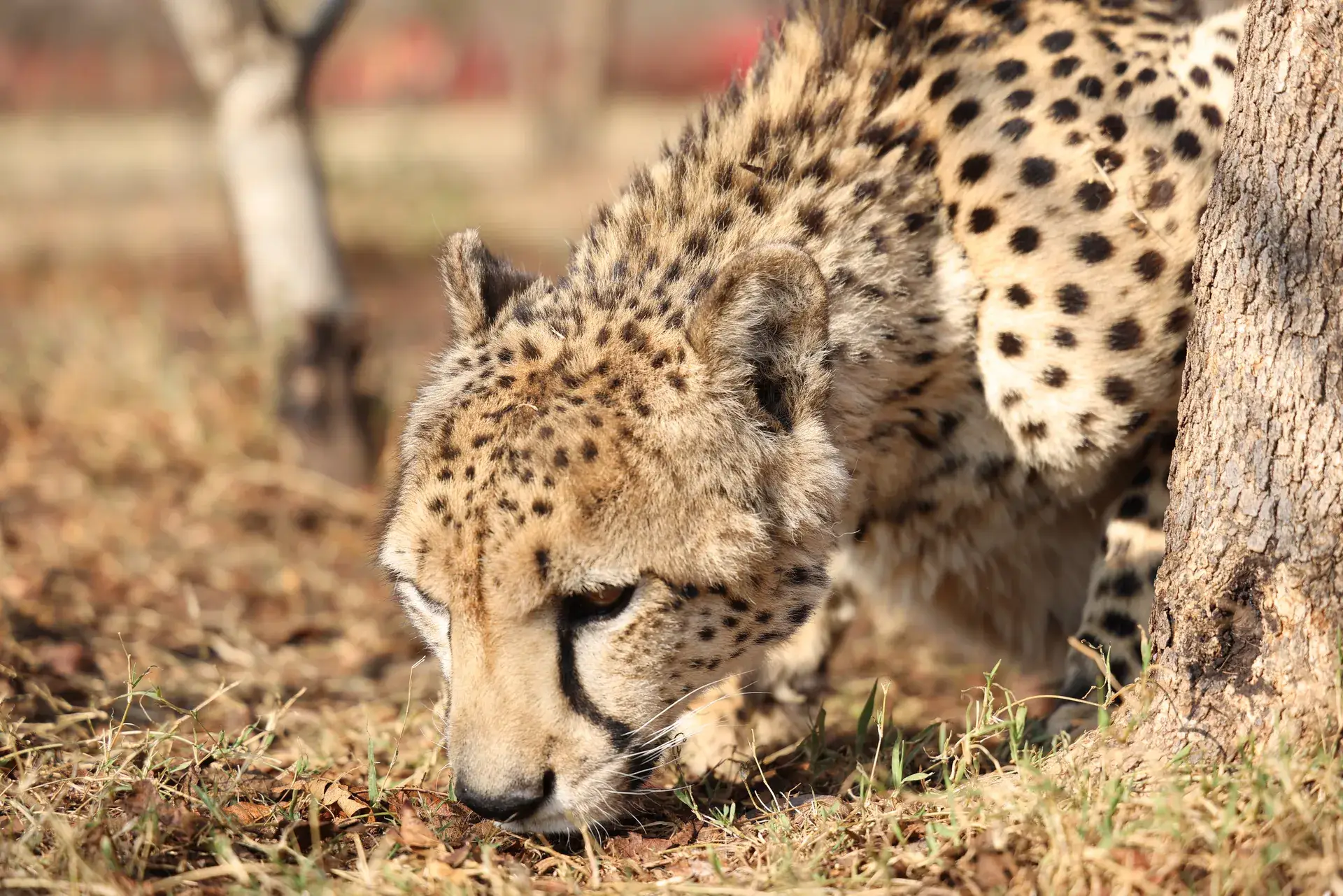
Observation matters because animals are individuals. A change in appetite, movement or behaviour is something for the team to notice and follow up. Ask your guide about the needs of the particular animals you meet, rather than assuming that every species or individual needs the same routine.

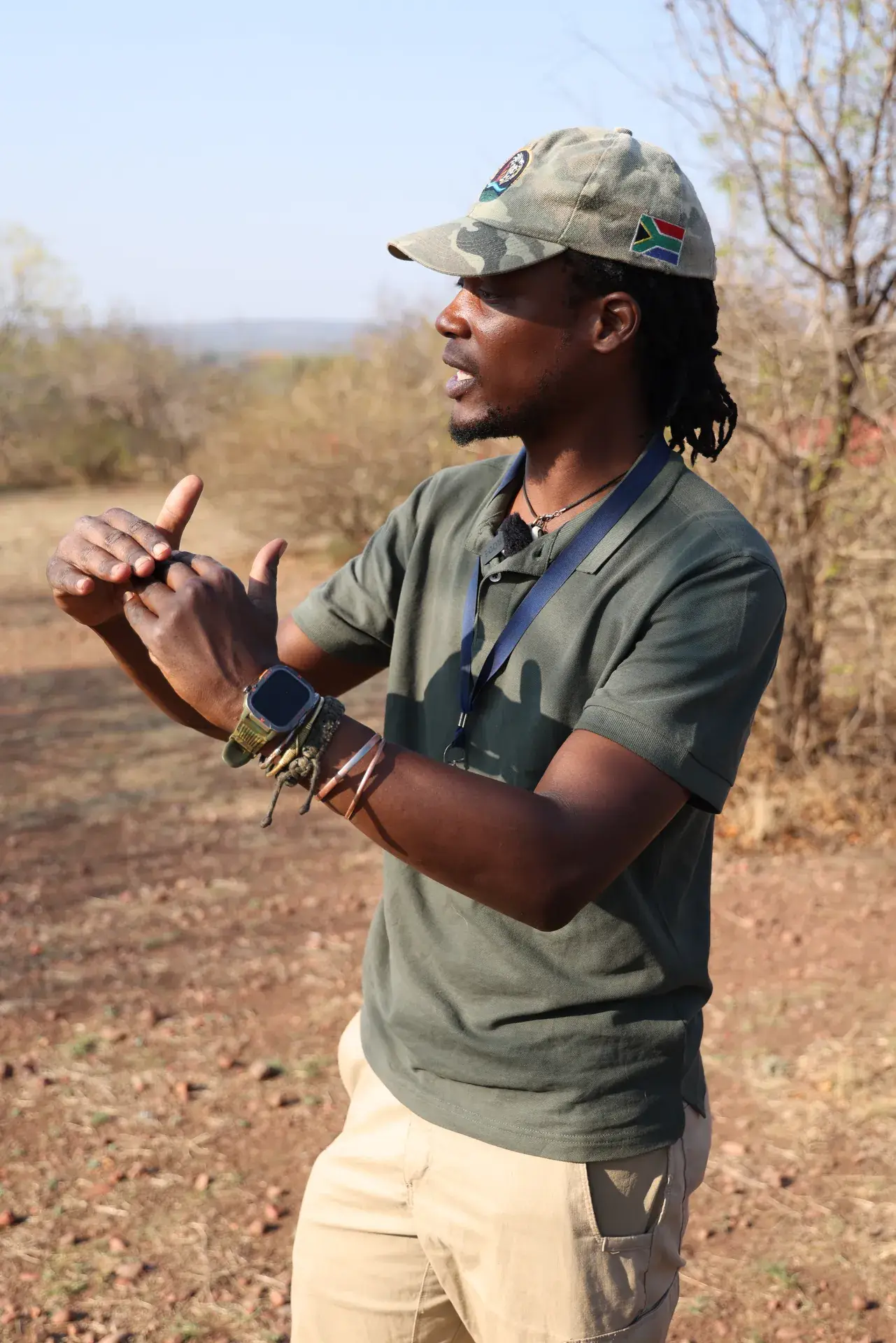
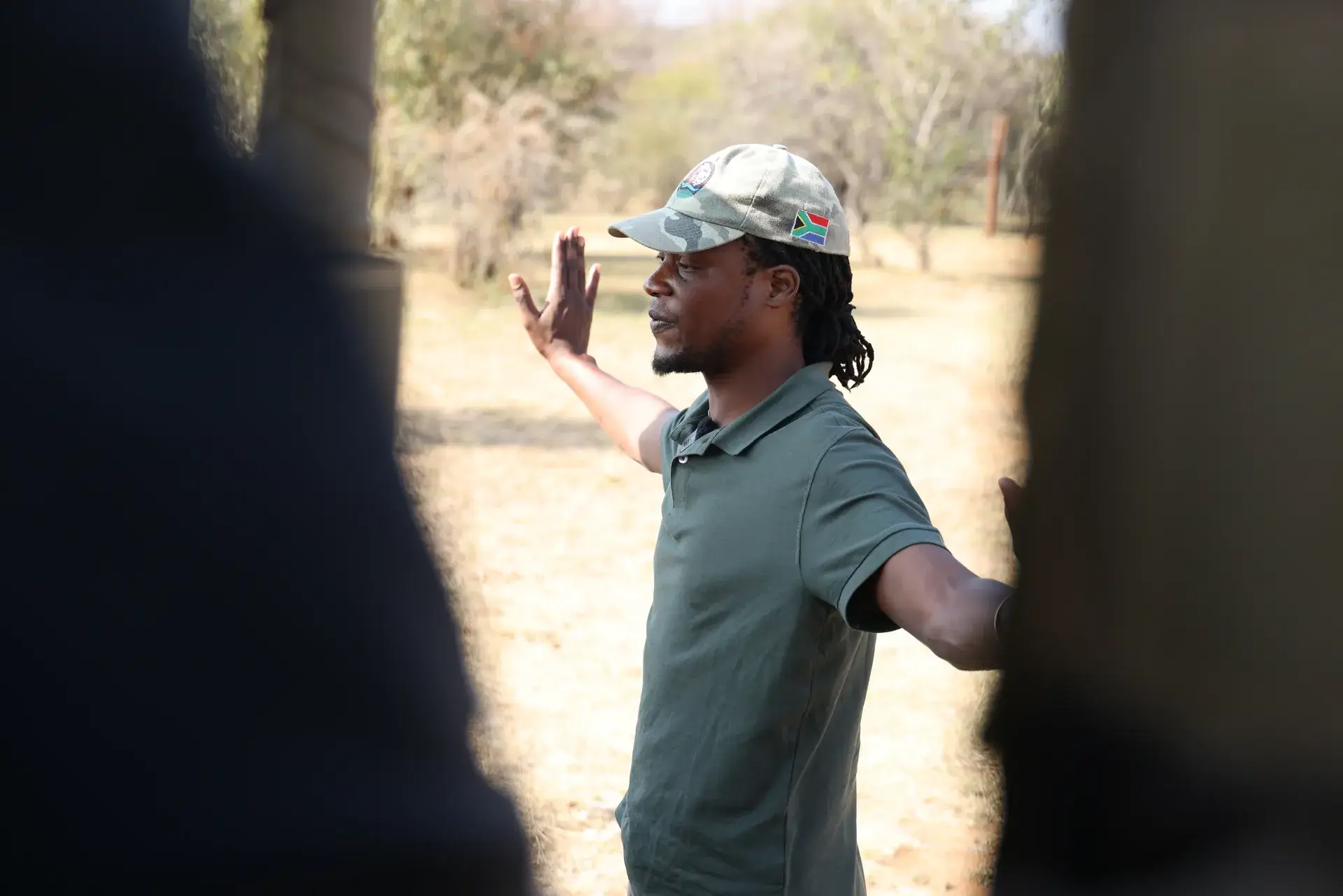
Our educational drives introduce the animals with a guide. Stay in the instructed viewing position, keep to the agreed route and follow the guidance given around enclosures and vehicles.
Our trained animal-care team handles feeding and daily care. Your guide will explain the activities included in your visit.
If an experience includes an interaction, ask what that means before booking. Any contact must be expressly confirmed and supervised. Do not feed, touch or approach an animal on your own, and do not try to draw a response for a photograph.
The sanctuary was established as a home for animals that cannot be released into the wild. A long-term home, rehabilitation and a release project are different things, and the right outcome depends on an animal’s circumstances.
Giving one animal a permanent home is not the same as protecting a population in the wild. Ask about the particular work or animal you are interested in, and look for the people, decisions and evidence behind the story.
Bring your questions about where an animal came from, how care works or what a visitor activity involves. A thoughtful conversation is part of the experience, and the guide can explain the programme you are actually joining.
Income from the sanctuary’s tourism activities contributes to its upkeep and the care of the animals. Behind the visit are ongoing needs: food preparation, enclosure maintenance, cleaning and the people carrying out those responsibilities.
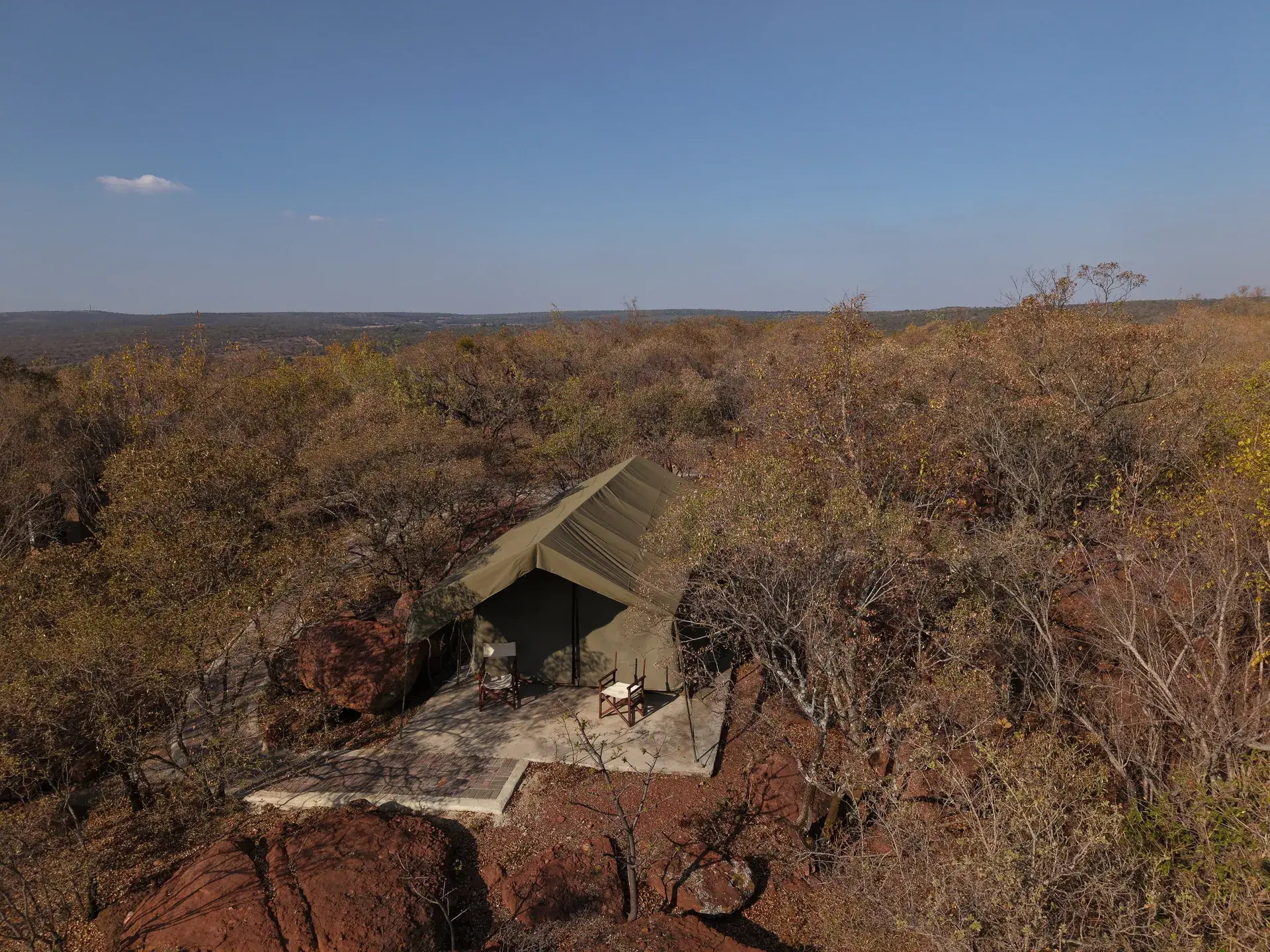
If you would like to go beyond a day visit, explore volunteering or ask about the practical support currently needed. The best contribution begins with understanding the work, not assuming what the sanctuary needs.