Lions: a social language
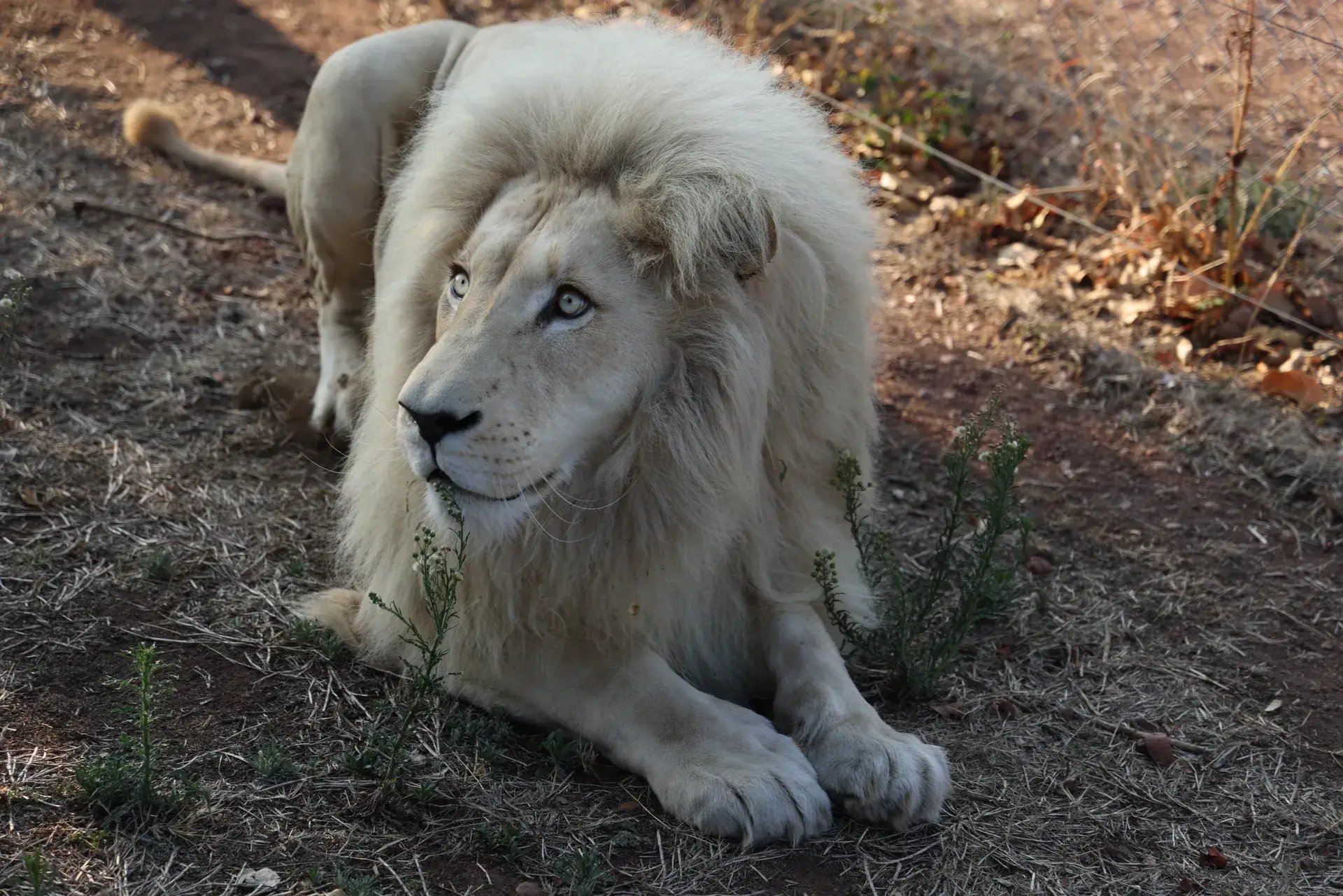
A roar carries a message, but it is only part of a lion’s vocabulary. Scent, posture and close greetings also help lions communicate. Watch the quiet exchanges as well as the moments that command attention.
In the wild, loss of habitat and prey can bring lions into conflict with livestock farmers. Conservation depends on space for wildlife and practical ways for people and predators to coexist.
Explore lions · Further reading: San Diego Zoo Wildlife Alliance
Cheetahs: space to survive
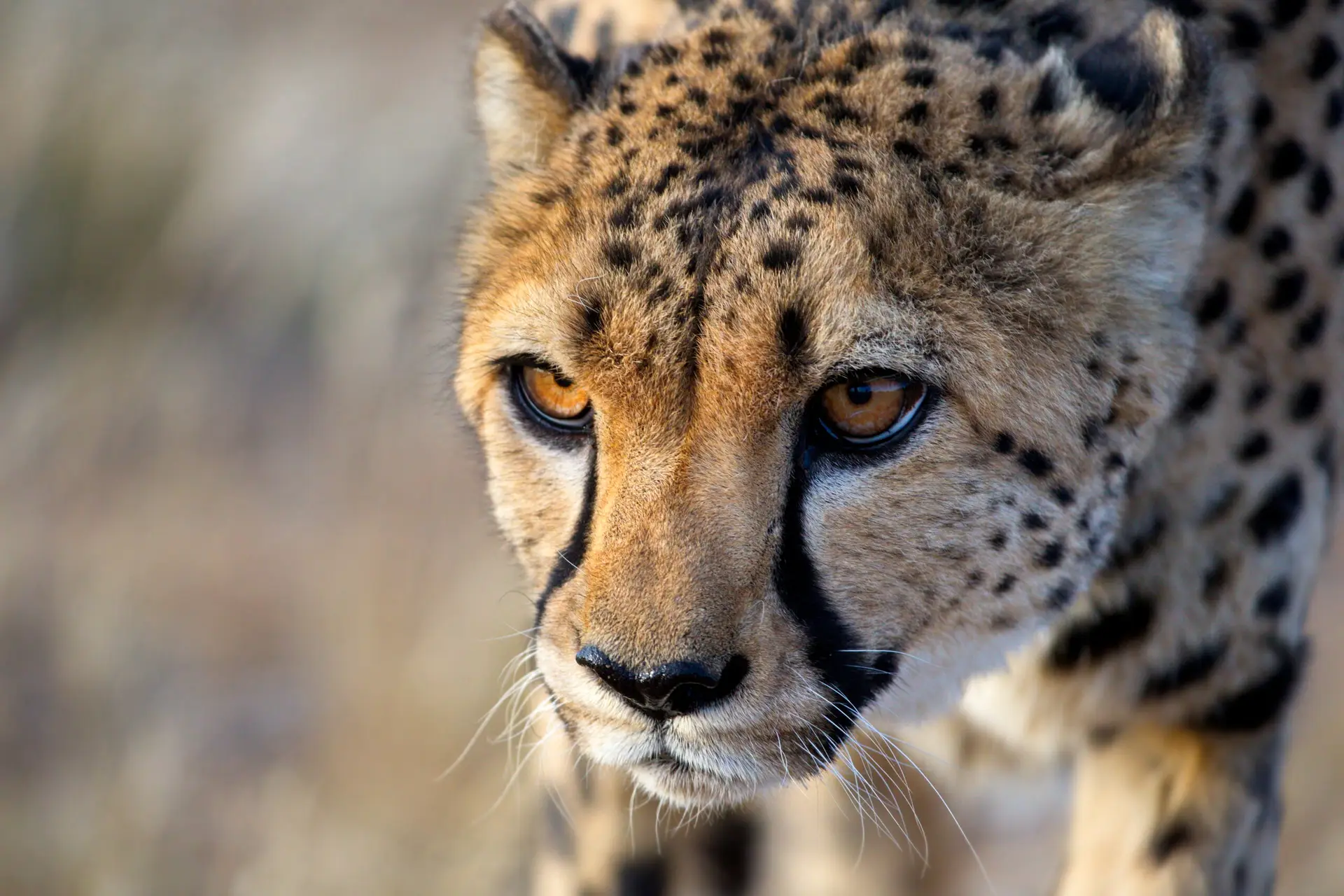
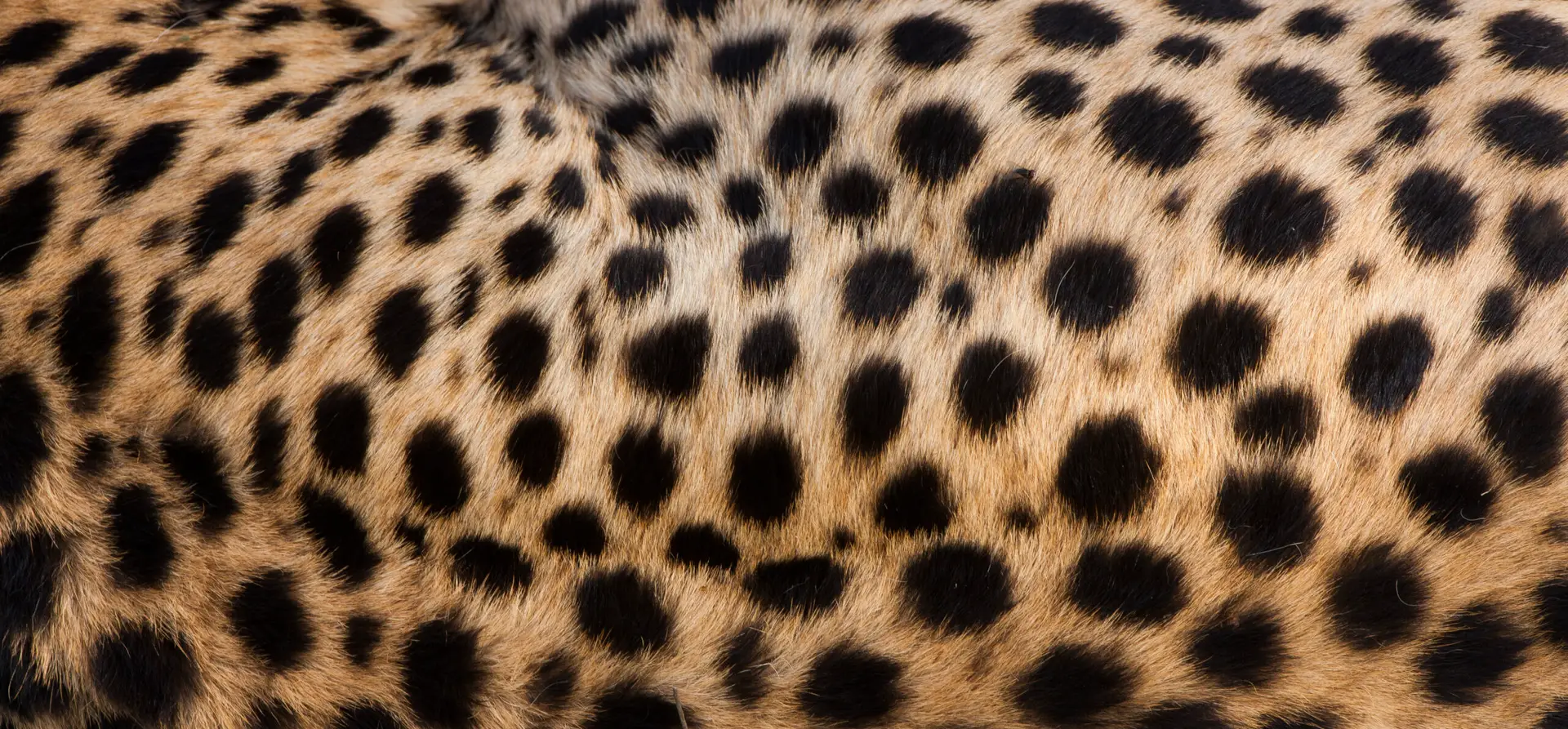
A cheetah’s slim frame, flexible spine and long tail are part of its sprinting toolkit. But speed alone cannot protect a population when the places it needs are divided or lost.
One conservation approach starts with livestock rather than cheetahs. Cheetah Conservation Fund works with Namibian farmers on predator-friendly management, including guarding dogs that help protect herds and reduce conflict.
Explore cheetahs · Further reading: Cheetah Conservation Fund
Giraffes: seven neck bones
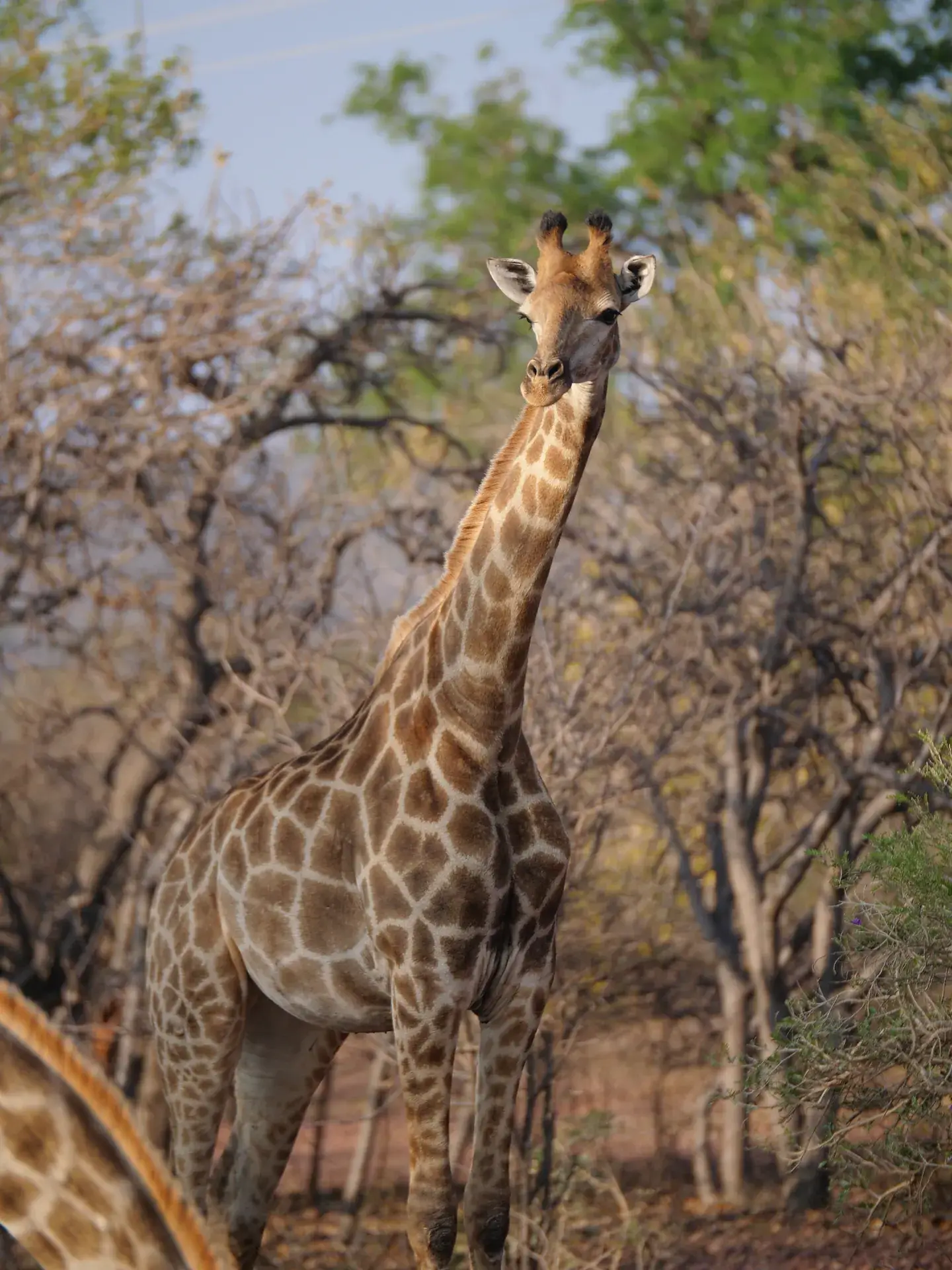
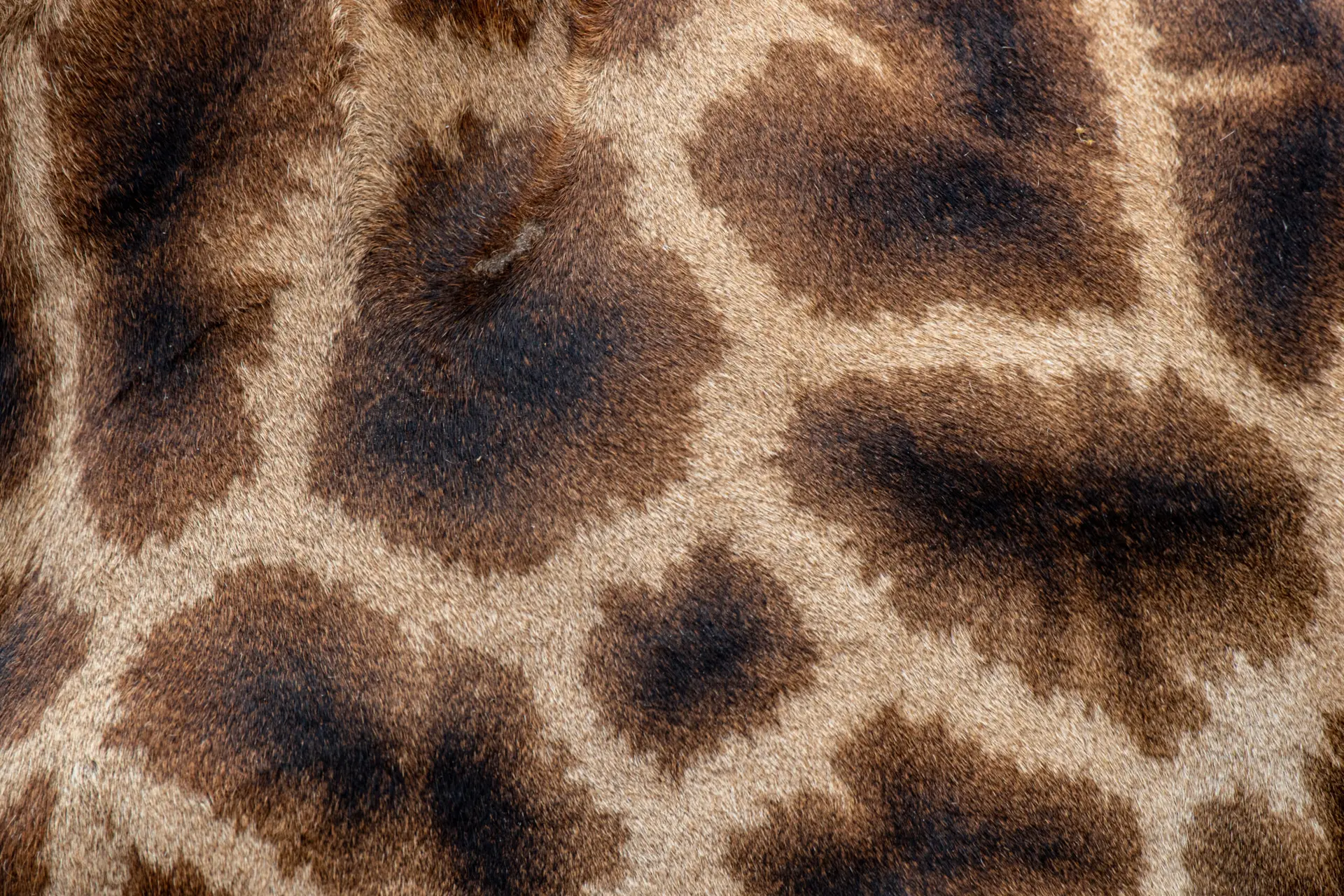
A giraffe has seven neck vertebrae, just as a human does. The difference is in their extraordinary length. That familiar silhouette also belongs to four distinct giraffe species, each with its own conservation story.
Habitat fragmentation can separate populations and make movement between them harder. Protecting connected landscapes, understanding where giraffes travel and identifying populations correctly all matter.
Explore giraffes · Further reading: Giraffe Conservation Foundation
Meerkats: life as a team
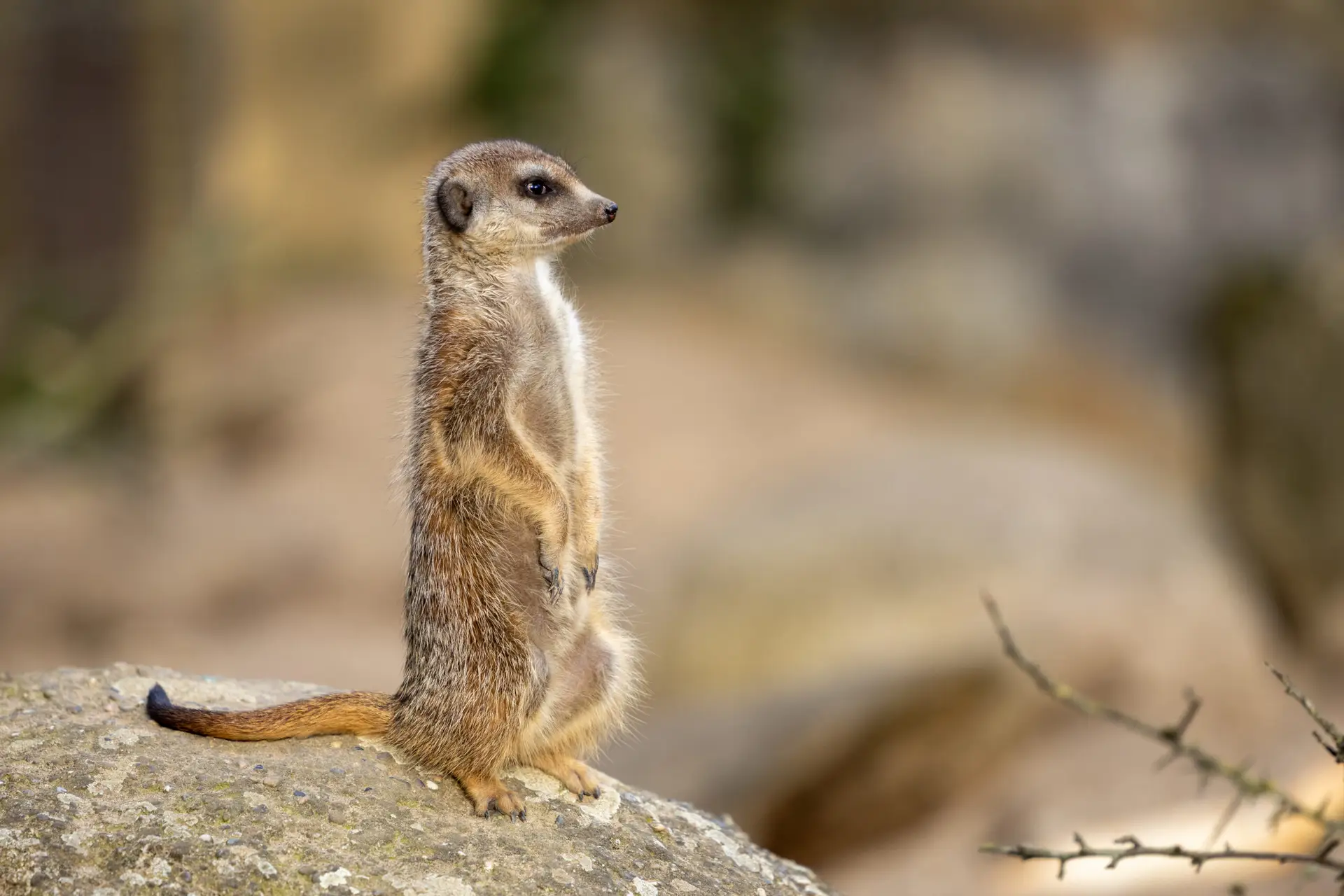
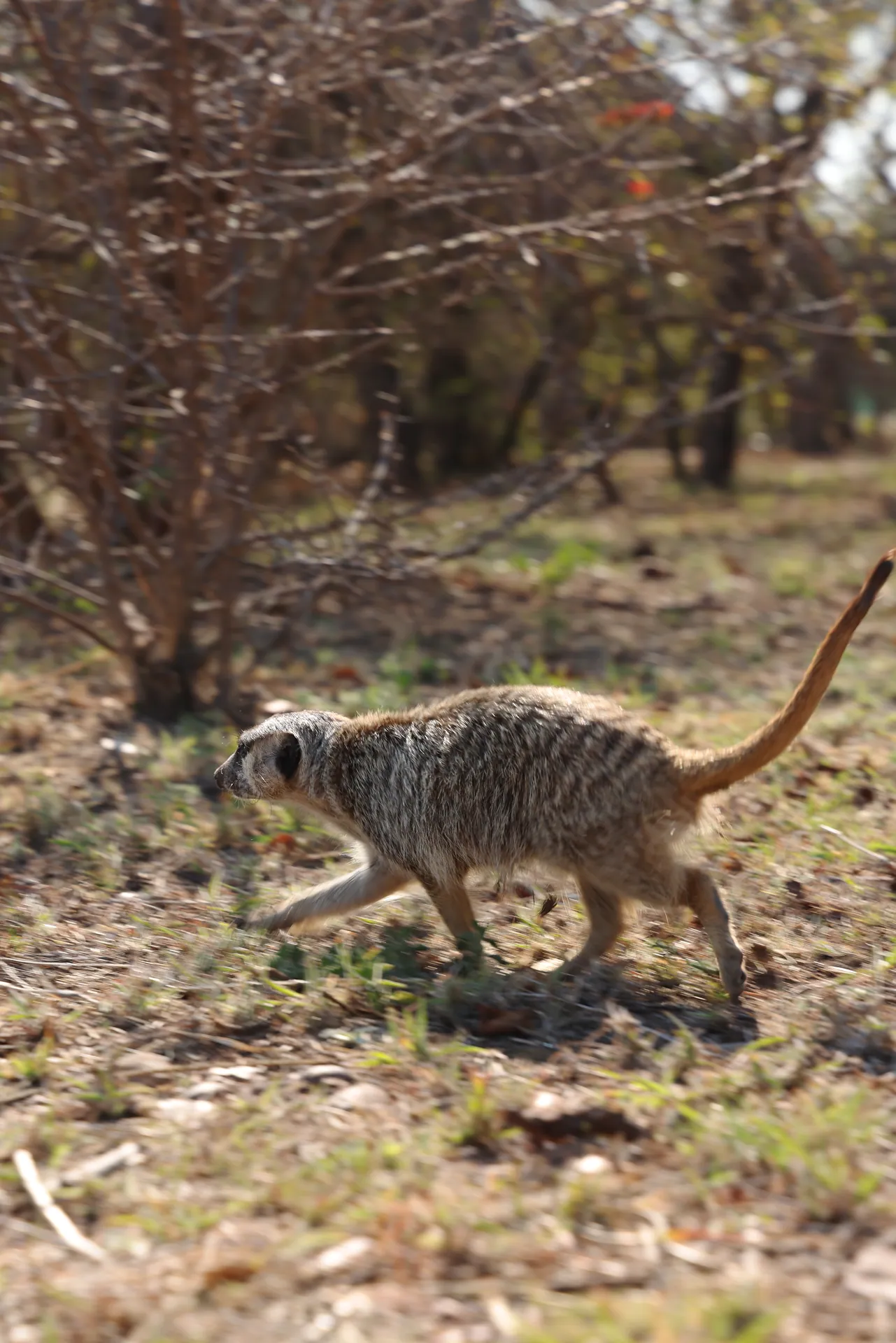
A standing lookout is doing a job. While others forage, a meerkat watches for danger, using different alarm calls for threats on the ground and in the air. Group members also help care for the young.
Look closely at the tools of a digger: long claws, protected eyes and ears that can close against sand. Their social lives and specialised needs are good reasons to appreciate meerkats as wildlife.
Explore meerkats · Further reading: San Diego Zoo Wildlife Alliance
Spotted hyenas: rethink the reputation
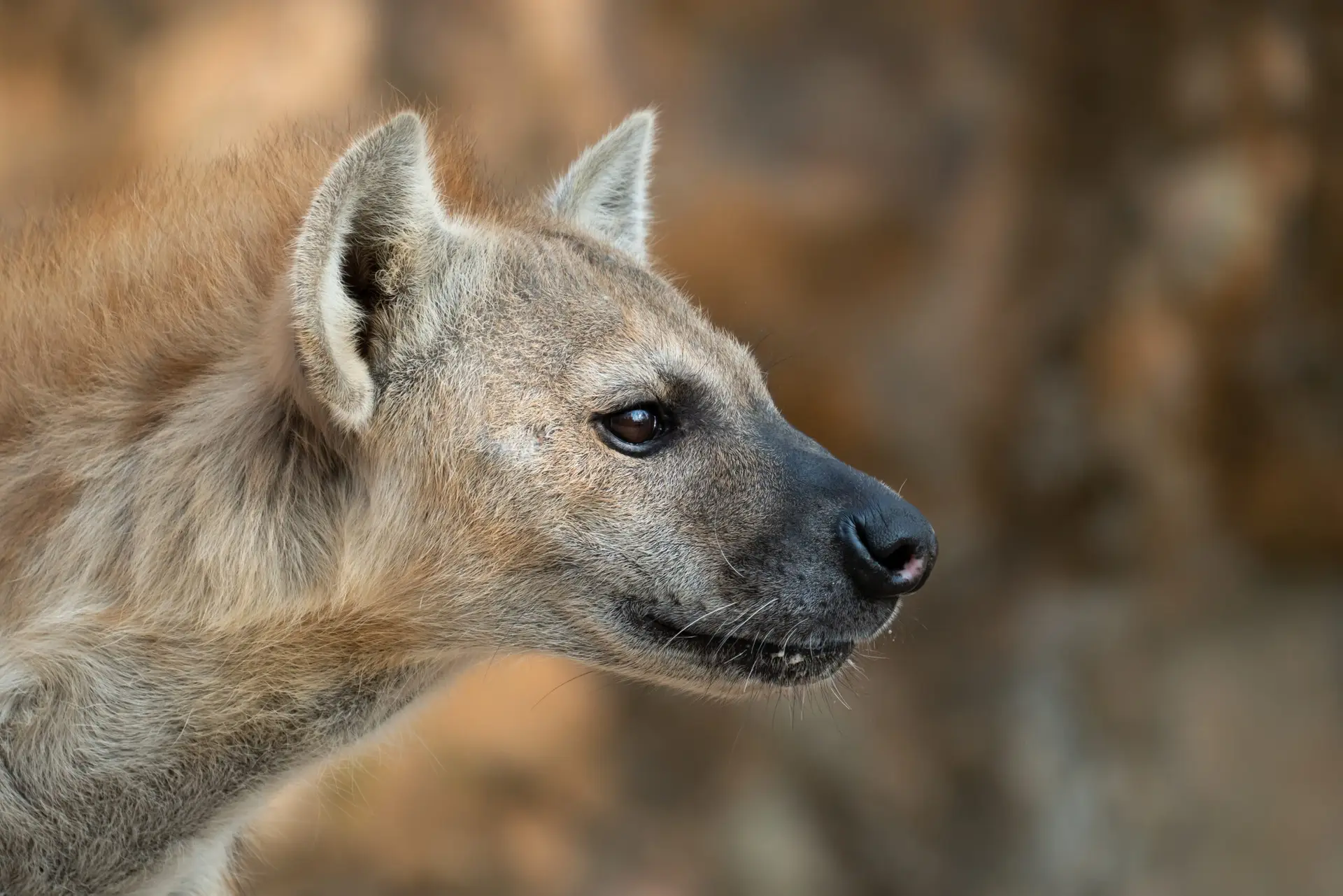
Spotted hyenas are skilled hunters as well as scavengers. Their clans have complex social relationships, and the long-distance whoop can help bring individuals together. The famous giggle is a signal, rather than a human-style laugh.
Strong jaws let hyenas consume parts of a carcass that many other carnivores leave behind. Understanding that ecological role matters when fear and poor public perceptions can add to the threats of poisoning, trapping and conflict.
Explore spotted hyenas · Further reading: San Diego Zoo Wildlife Alliance